Dieser Beitrag ist auch verfügbar auf:
There was no getting around the Suunto Vertical 2 in Titanium, since its sibling, the Race 2, had already won me over. What the Vertical 2 does better, and where it hits its limits, is what you’ll find here.
Not a review unit: I bought the Suunto Vertical 2 Titanium with my own money. Suunto had no influence on this content — this post reflects my personal experience only.
The Suunto Vertical 2 is Suunto’s current outdoor flagship, released September 2025. At 689 euros (Titanium) or 589 euros (stainless steel), it sits firmly in the premium segment. Anyone looking for a clean, functional overall package with long battery life, offline maps, and serious outdoor capability — without caring about a Garmin ecosystem or an app jungle — gets one of the most convincing watches on the market. Anyone expecting an app store like Garmin’s, or contactless payment, should look elsewhere.
Suunto Vertical 2 Titanium
| Preview | Product | Price | |
|---|---|---|---|

|
SUUNTO Vertical 2 GPS-Sportuhr, 1,5-Zoll-AMOLED-Display, 115+ Sportmodi |
599,00 EUR |
Bei Amazon kaufen |

|
SUUNTO Vertical 2 GPS-Sportuhr, 1,5-Zoll-AMOLED-Display, 115+ Sportmodi |
699,00 EUR |
Bei Amazon kaufen |
Suunto Vertical 2: Specs at a Glance
| Display | LTPO AMOLED, 1.5 inch, 466 × 466 pixels, up to 2,000 nits, sapphire glass |
| Case | Titanium (Titanium) / stainless steel, 49 mm diameter, 13.6 mm thickness |
| Weight | 74 g (Titanium) / 87 g (stainless steel), without strap |
| GPS | Dual-band GNSS (GPS, GLONASS, Galileo, BeiDou, QZSS), up to 32 satellites |
| Heart rate | Newly developed optical HR sensor, flatter case underside |
| Battery | up to 20 days (everyday mode), 65 hrs with GPS (highest accuracy), 250 hrs (tour mode) |
| Water resistance | WR100 (100 m) |
| Durability | MIL-STD-810 |
| Sport profiles | 115+ |
| Navigation | Offline maps, heatmaps, climb guidance, Suunto Route Planner |
| Other | Integrated LED flashlight (white/red), Bluetooth multi-sensor pairing |
| Price | 589 euros (stainless steel) / 689 euros (Titanium) |
First Impressions
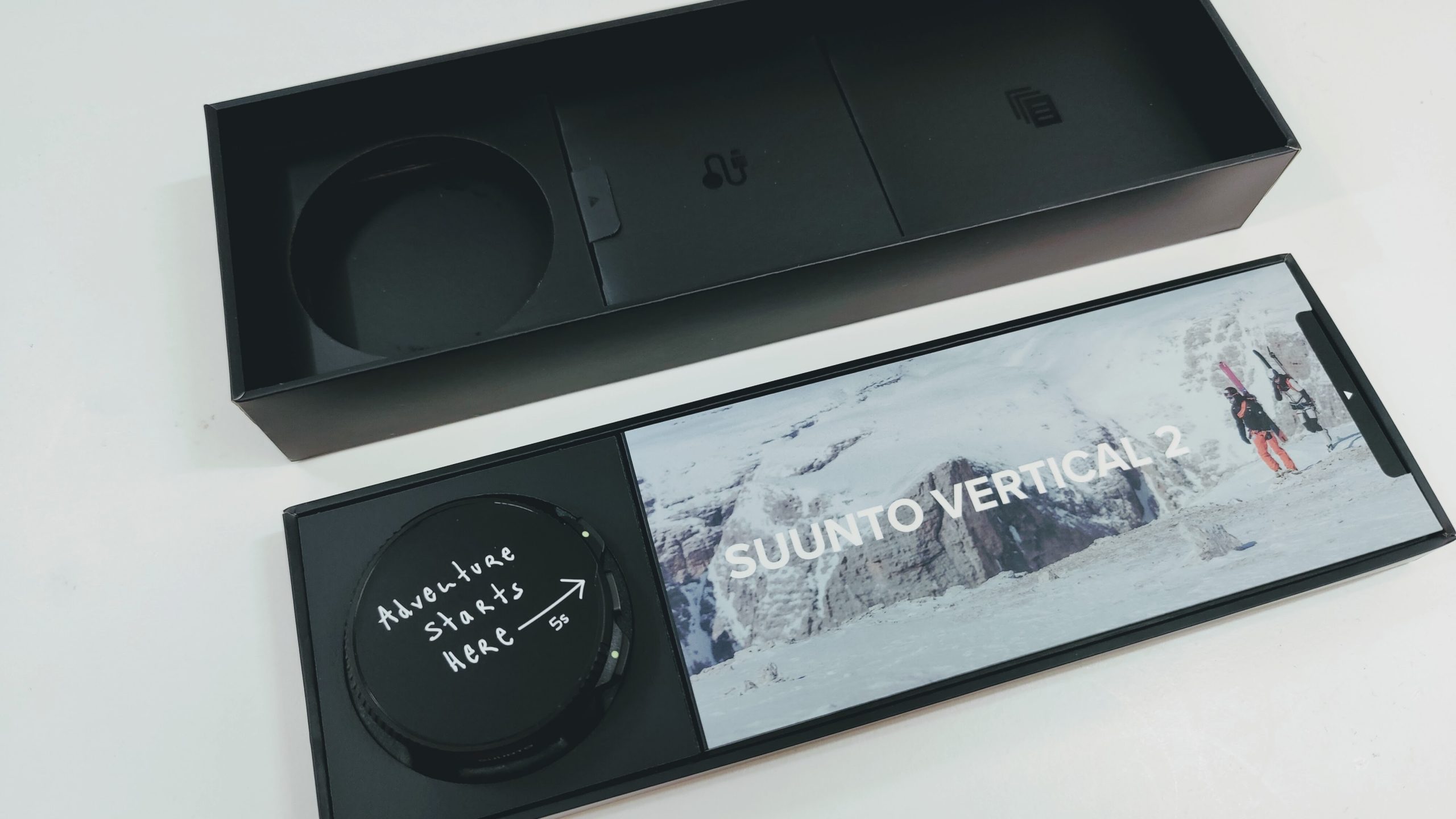
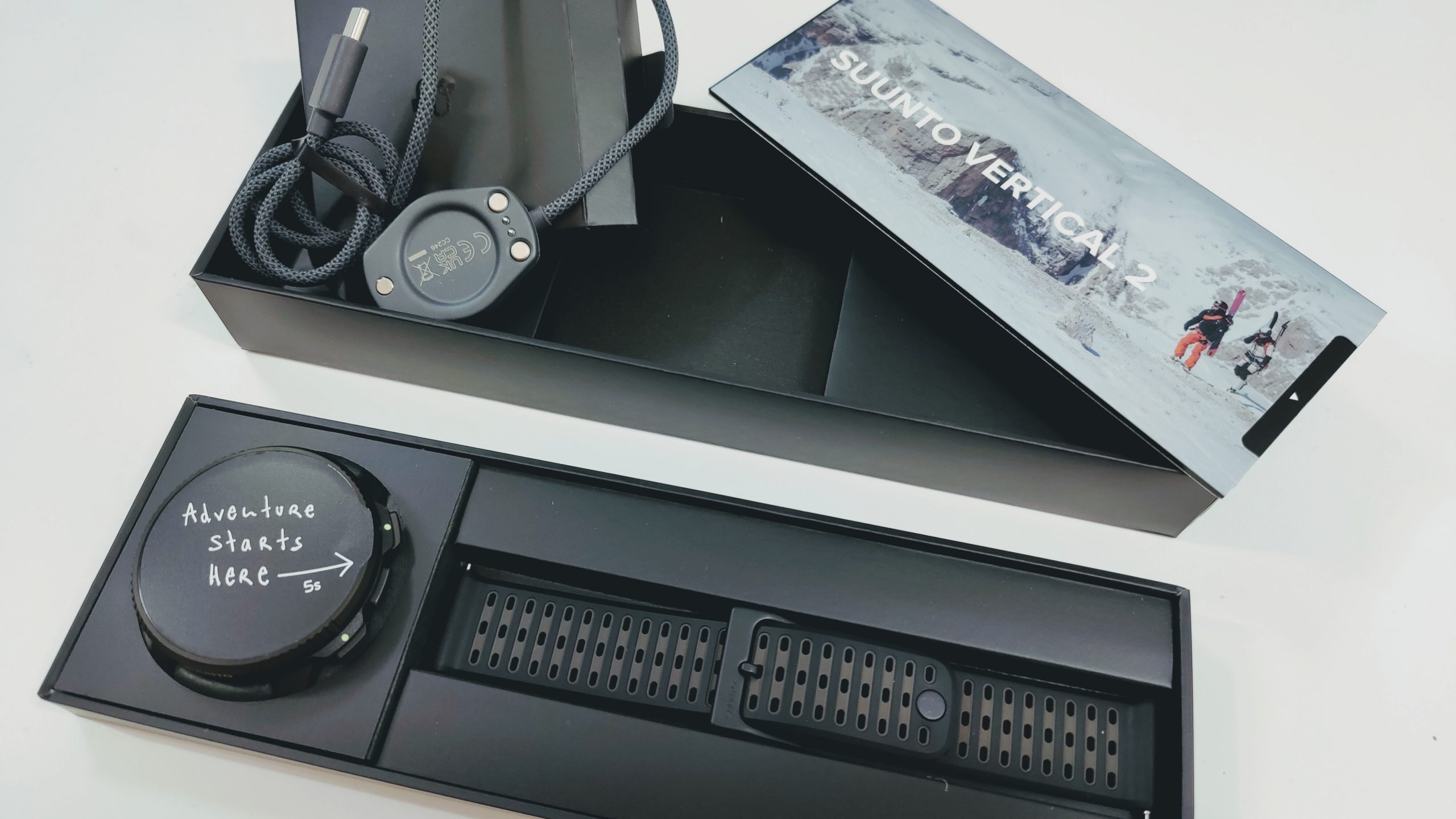
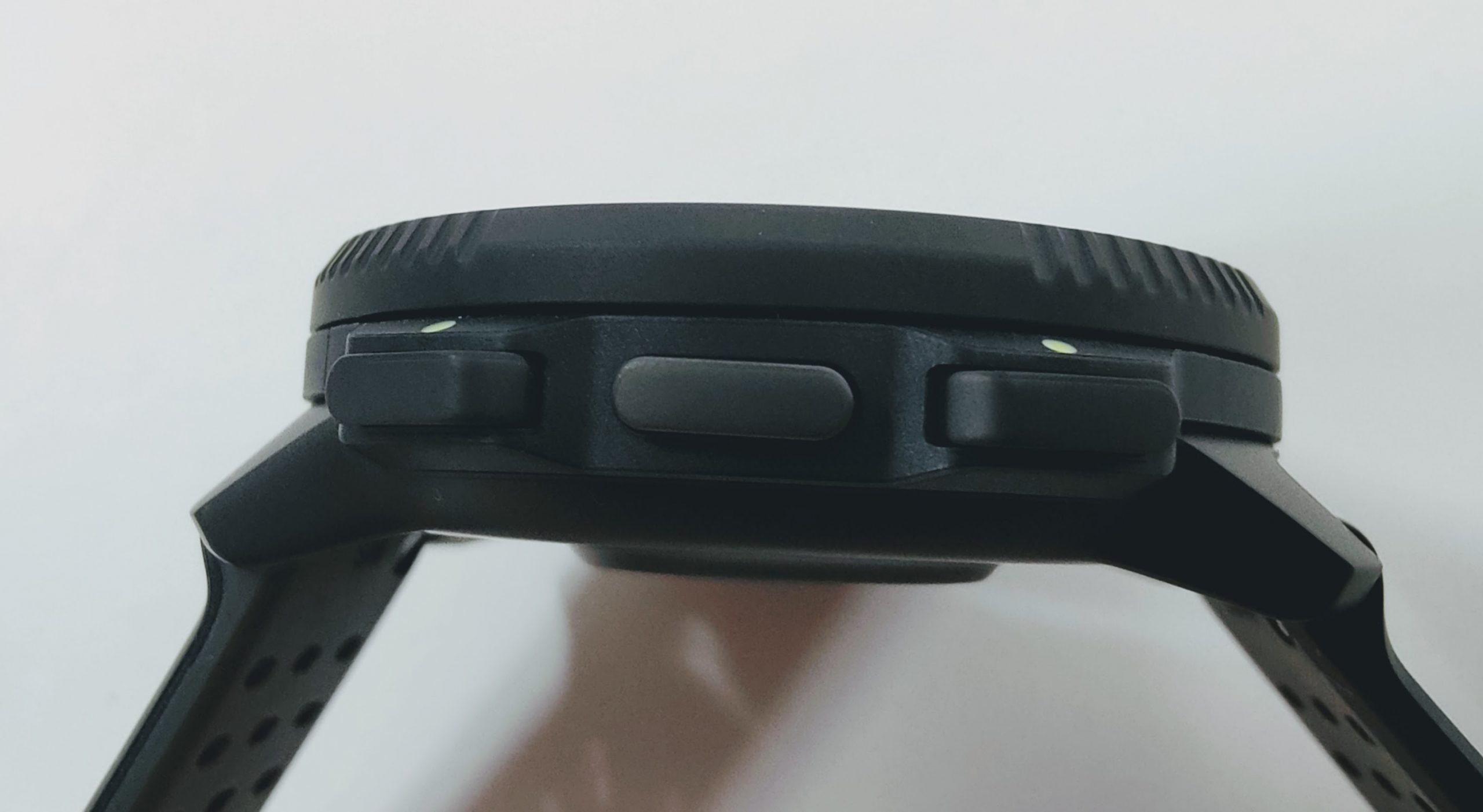
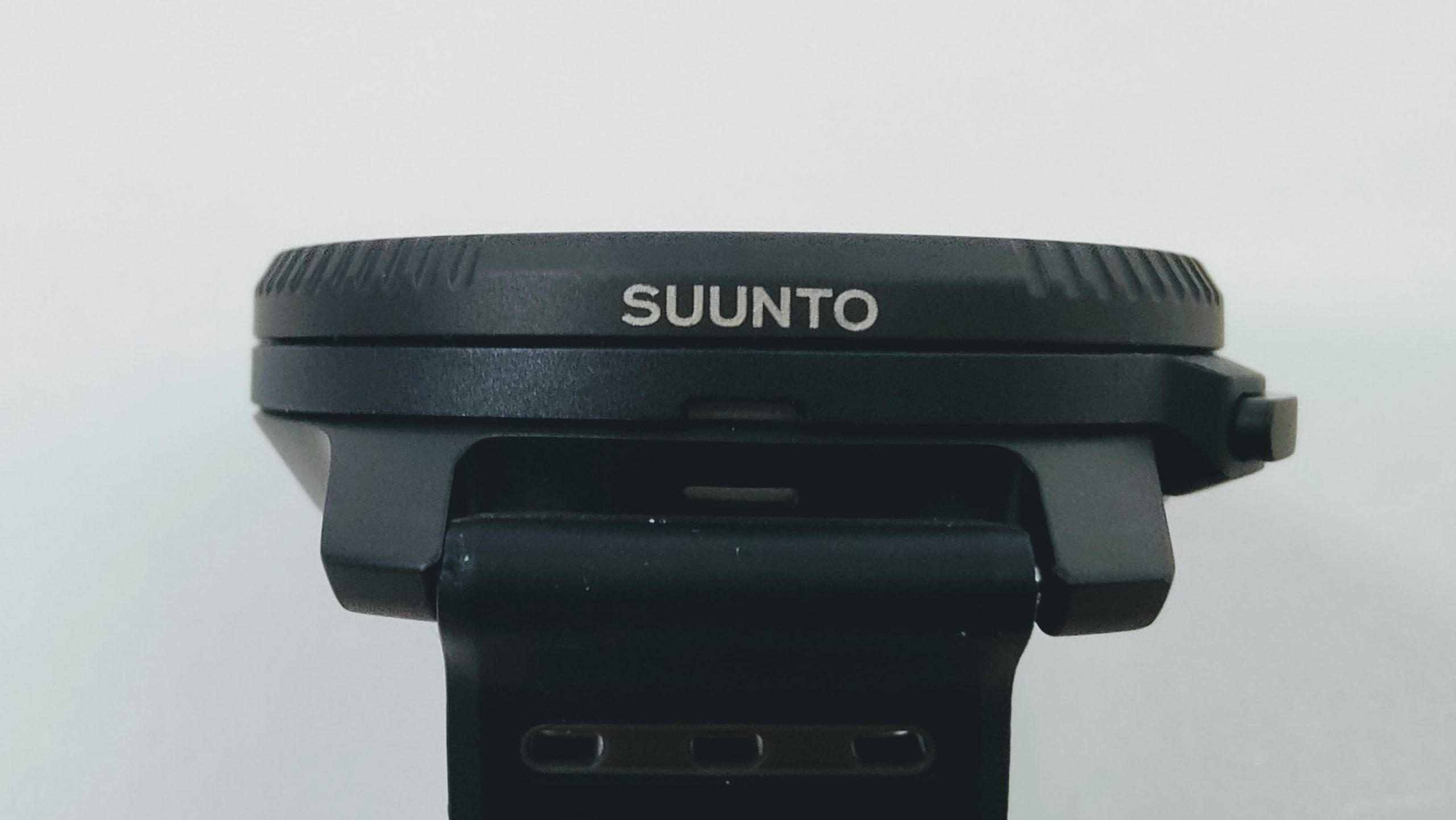
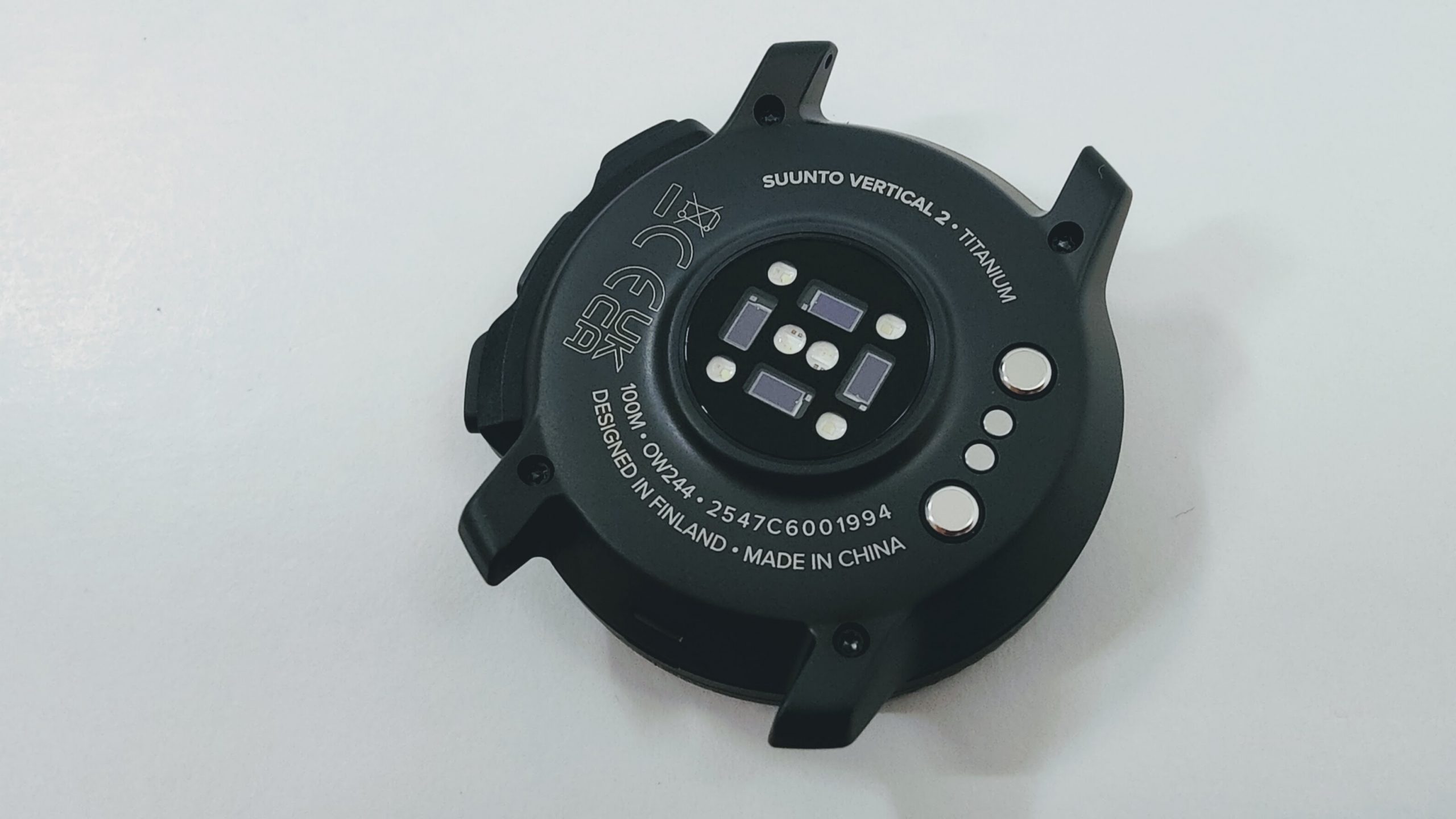
To me, the Vertical 2 gets the design right in every way: five buttons, a clear bezel, clean looks. The black Titanium version sits comfortably on the wrist; at 74 grams, it’s also noticeably lighter than the stainless steel variant. The new, flatter case underside sits better against the skin — something you notice not just in wearing comfort, but also in heart rate tracking. More on that shortly.
What’s New Compared to the Vertical 1?
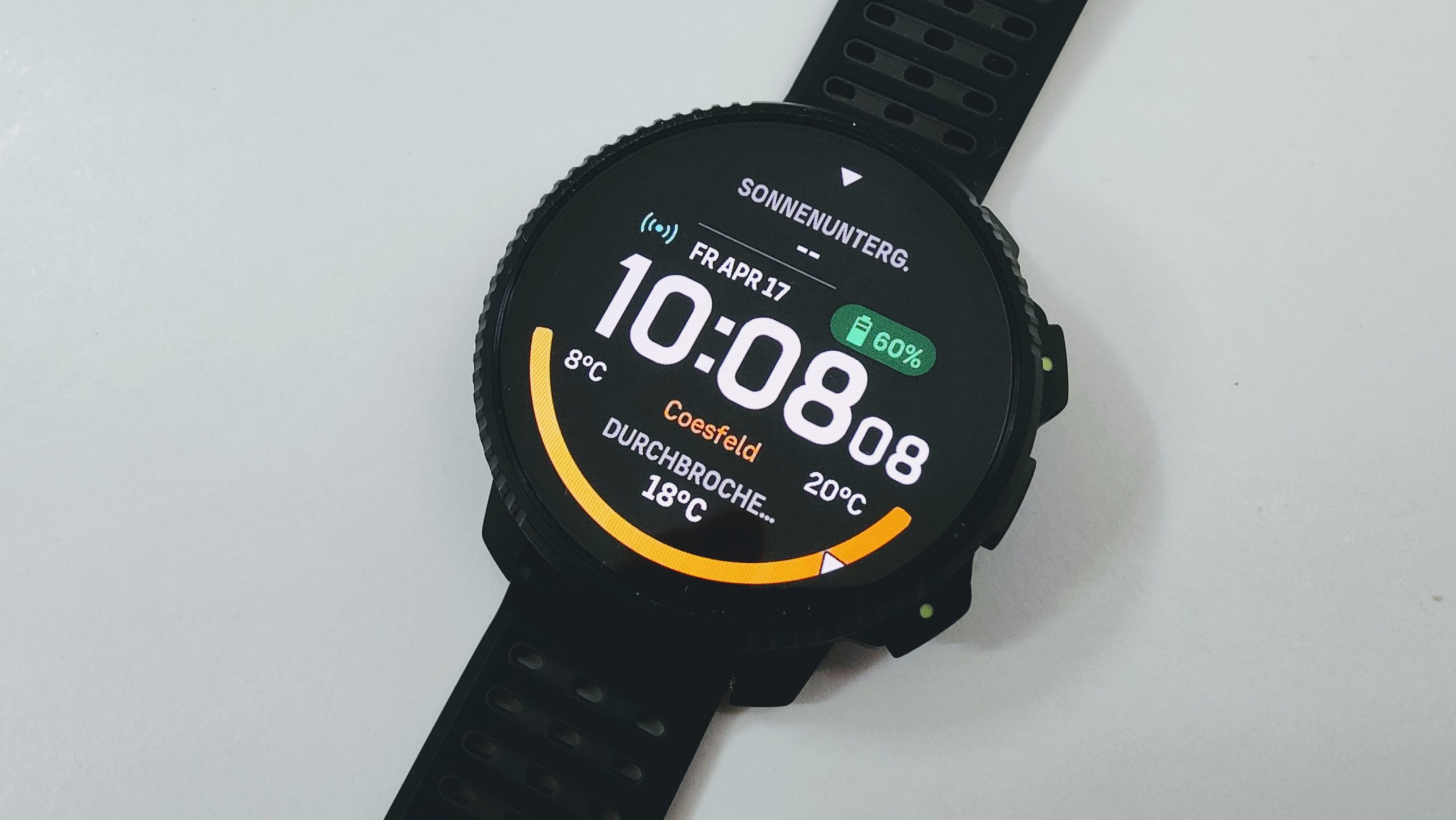
Coming from the Vertical 1, you don’t get a completely new product — but one reworked in the right places. Most important first: the display. Switching from MIP to LTPO AMOLED at 2,000 nits is no gimmick. In sunlight, the MIP display still at least holds its own, but in the evening, at dusk, or when checking map data — that’s where the difference really shows. And the watch faces? Wow. ;)
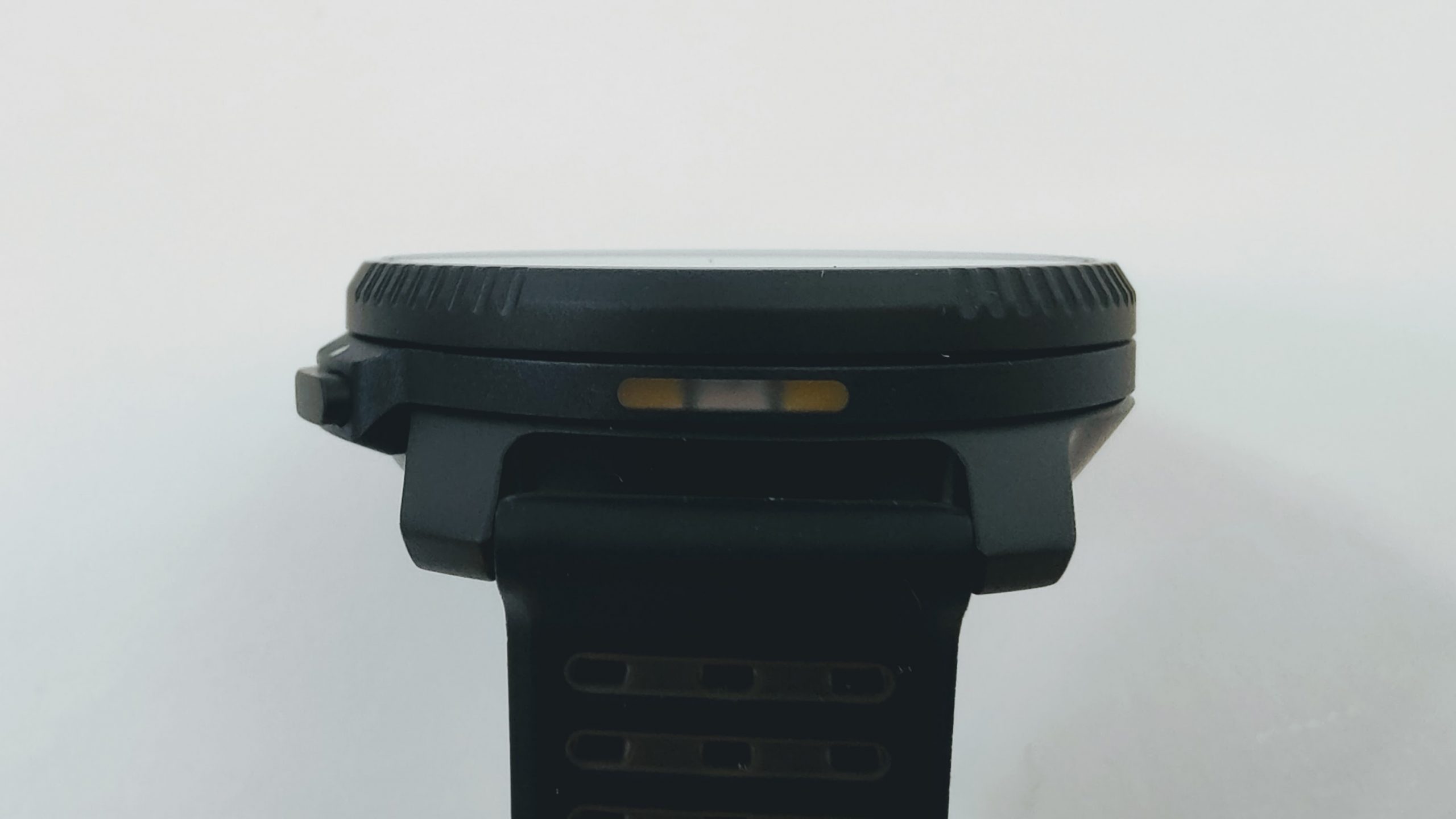
Then there’s the flashlight. You can smile about it — until the first time you actually need it. White for lighting the path, red for night-vision mode. You can assign the function to one of the case buttons for easy access.
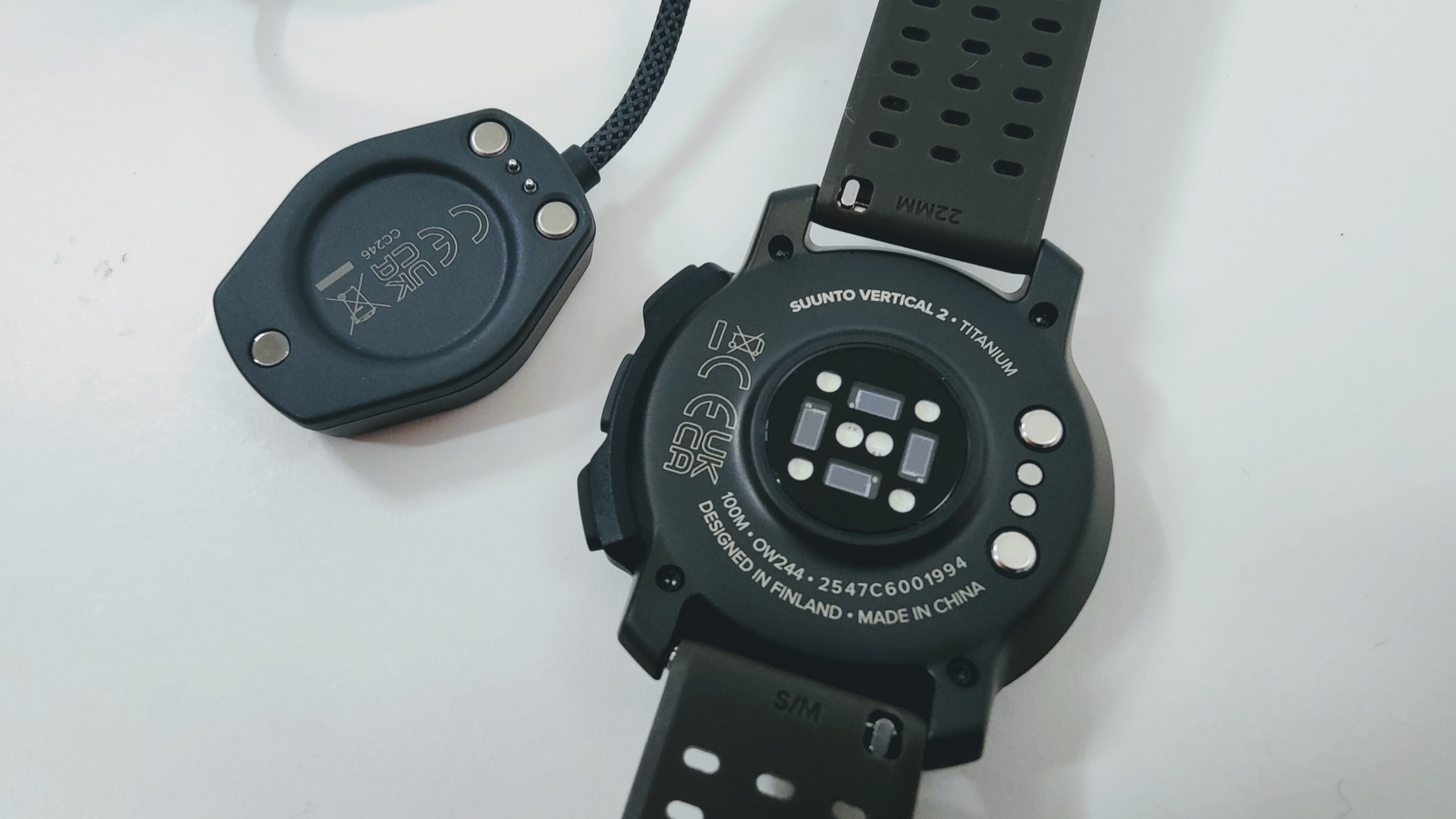
The new charger was overdue. The magnetic mechanism on the Vertical 1 was a test of patience; the new version simply holds. The Vertical 2 also now supports Bluetooth multi-pairing for sensors within one category — meaning you can now switch between a chest strap and an armband sensor without unpairing. Handy when switching between training types.
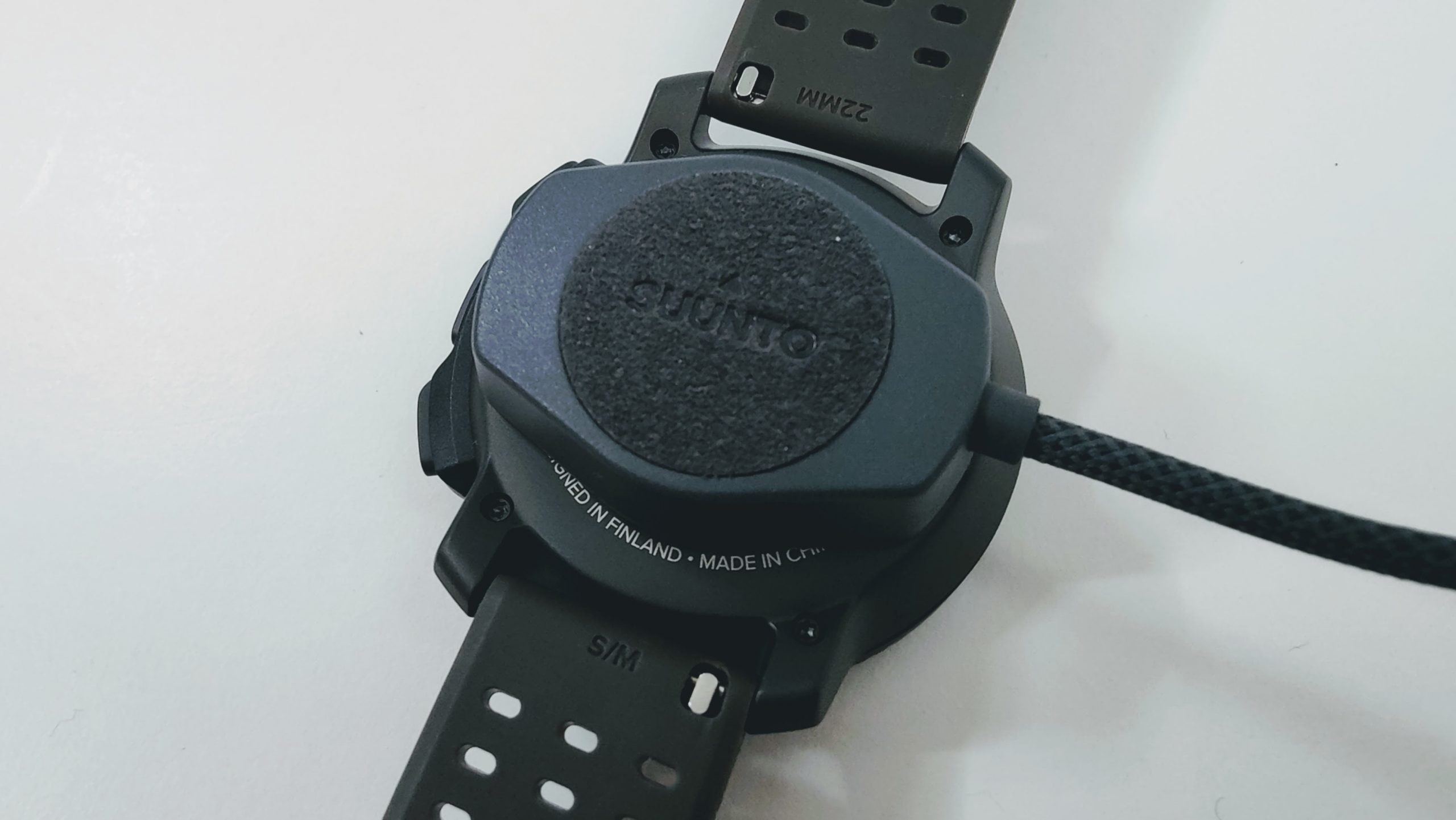
The dual-band GNSS with up to 32 satellites does a solid job — in my tests there were no notable outliers in the recorded tracks, even in dense forest. No longer a unique selling point over Garmin or Coros, but it works. Full stop.
What’s more satisfying: the improvements to structured training sessions. As with my Race 2 experience — which I already covered in detail here — handling interval workouts has gotten much better on the Vertical 2 too. Seeing the target corridor, current value, and deviation at a glance makes it easier to execute a structured workout cleanly without constantly staring at the watch. Sounds small, but makes a real difference day to day.
For trail and outdoor use, there’s now also the new browser-based route planner — including GPX export, so it’s usable independent of brand. Plan your route on a big screen, then transfer it to the watch. :)
Heart Rate: Finally Reliable — With the Right Strap
This was the chapter I was most curious about. The optical HR sensor on the first Vertical generation had its quirks — and even on the Race 2, the optical readings weren’t quite there for me yet. Sometimes spot on, sometimes not. In the meantime, a firmware update brought further improvement here.
On the Vertical 2, Suunto did two things: fitted the newly developed sensor and made the case underside flatter so the watch sits closer to the skin. What’s often underestimated — and was the deciding factor for me — is a fabric strap. With one fitted, the watch hugs the wrist much more evenly, and since then the optical sensor has actually been reliable, even at higher intensities. With the standard silicone strap, I still occasionally got small dropouts at the start of a session. So if you’re struggling with the optical sensor: try switching the strap before reaching for a chest strap.
For anyone who really cares about accuracy for HRV analysis and power-based training — a chest strap remains the more reliable choice. That’s not a weakness specific to the Vertical 2; it applies to all optical sensors. But for everyday use and moderate intensities: it works now.
Battery: Promise Kept
65 hours in highest-accuracy mode — that’s quite a claim. In everyday use with heart rate active, I get almost two weeks — in line with what other reviewers report. That’s a top figure for this device class, especially since the AMOLED display barely shortens runtime. Fully charged in 2 hours — anyone planning long adventures knows the ritual. ;)
Pros
- LTPO AMOLED display at 2,000 nits — significantly better than the old MIP display in low light and everyday use
- Clear, functional menu navigation with no frills — Suunto’s biggest UX asset remains untouched
- Integrated LED flashlight (white/red) — genuine practical value for early and late sessions
- Reworked optical HR sensor with flatter case underside — finally reliable with a fabric strap
- Structured workouts with improved display — clearer than on the Vertical 1
- Battery remains unrivaled in the segment despite AMOLED — around 2 weeks in everyday mode
- New charger with strong magnets — no longer a test of patience
- Titanium variant at just 74 g — noticeably lighter than stainless steel (87 g)
- Suunto Route Planner in the browser with GPX export — usable independent of brand too
Cons
- Flashlight only reachable through several menu levels during an activity — firmware update needed
- Typical for AMOLED: display isn’t always on — a bit of an adjustment when glancing at it from the corner of your eye. Can be changed in settings, though.
- No app store, no contactless payments — anyone who needs that is better off with Garmin
- Optical sensor accuracy still limited at very high intensities — a chest strap is recommended for precise training
- New generation’s titanium bezel less shiny than its predecessor — a matter of taste, but noticeable
My Take:

Autor und Betreiber von Harlerunner.de. Läufer seit mehr als zehn Jahren, über 100 Wettkämpfe von 5 km bis Halbmarathon im Gepäck, bisher mehr als 500 Produkte getestet. Kein Labortest — alles kommt aus dem echten Training in und um Coesfeld. Was du hier liest, hat er selbst an den Füßen, am Körper, am Handgelenk oder im Ohr gehabt.
Author and owner of Harlerunner.de. A runner for over ten years, with more than 100 races under his belt – ranging from 5 km to half-marathons – and having tested over 500 products to date. No lab tests – everything is based on real-world training in and around Coesfeld. Everything you read here is something he has personally worn on his feet, on his body, on his wrist or in his ear.